
The global business landscape is changing at a pace many leaders struggle to match. Too Big to Care by Glen Wood (SVL President & Co-Founder) and Tatsuhiko Nakazawa (CEO) explains why companies must return to the “heart of capitalism”—generating outsized profits while adding extraordinary value to society.
This article explores themes from the first four chapters of the book: logistics, the power of circles, ESG, and environmental responsibility.
1. Logistics: The Hidden Engine of Capitalism

Logistics isn’t simply moving goods from point A to B. It is “the underlying and often unseen backbone of businesses worldwide”. Without logistics, shelves would be empty, online retail would collapse, and even entertainment infrastructure like theme parks couldn’t function.
Historically, businesses operated within close-knit communities. Leaders knew their employees and customers personally. As companies grew and logistics enabled global distance, those human relationships eroded, reducing accountability and weakening the social fabric around business decisions.
Glen argues that logistics must evolve again—this time in alignment with sustainability.
2. The Shift from Linear to Circular Thinking

Traditional business follows a linear model: take → use → dispose. This produces waste and ignores the long-term effects of resource use. A circular model, by contrast, treats every input and output as part of a renewable cycle. Nothing is “waste”; everything is a resource waiting for repurposing.
Glen illustrates this through how SVL’s own actions:
- Salad manufacturers generate ~30% vegetable “waste.”
- Instead of paying to burn it (20–30 cents/kg), SVL processes it into fertilizer within 24 hours.
- The fertilizer produces stronger, more nutrient-rich vegetables.
This saves disposal costs, avoids pollution, and creates a new valuable product.
Circularity also applies to information. SVL trains drivers—often the only daily human contact with clients—to capture every client interaction and feed it back into operations. No touchpoint is wasted.
3. ESG and Why Sustainability Matters More Than Ever
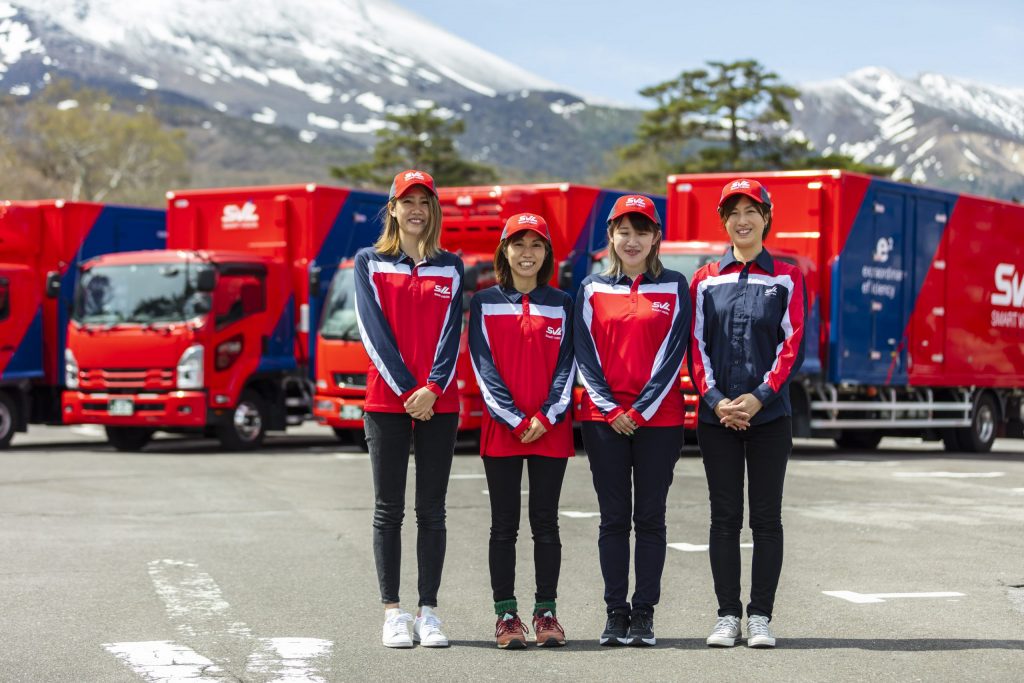
Environmental, social, and governance expectations are reshaping global business. Investors now examine the principle of ESG: Environmental impact, Social policies and Governance transparency.
Shareholders increasingly demand companies that improve society—not merely avoid wrongdoing. Governments also pressure corporations to support the UN Sustainable Development Goals (SDGs).
Companies slow to respond face real danger:
- Higher costs from inefficiency
- Shrinking margins if forced to compete on price
- Damage to brand and corporate reputation
- Difficulty attracting investors, customers, and talent
Early adopters, on the other hand, gain structural advantages that competitors struggle to replicate.
4. Environment as Strategy, Not Obligation

The environmental expectations placed on business are increasing—and justified. Glen argues that companies must understand their environmental footprint and assess whether they are net-harmful, neutral, or beneficial.
He cites examples such as McDonald’s UK converting used cooking oil into biodiesel to fuel delivery trucks. This circular resource reuse lowers operating costs while reducing environmental damage.
Environmental alignment, in this framework, is not philanthropy. It is strategic competitiveness.
What next?
Chapters 1–4 of Too Big to Care reveal a simple truth: businesses that fail to integrate circularity, ESG, and sustainability are locking themselves into an outdated, risky model. Those that embrace these principles—not as PR but as operational strategy—are positioned to thrive.
If you’re interested in learn more, please consider grabbing a copy of the full book!