

Image: AKACHA / Shutterstock.com
Two years ago, we explored what a weaker yen could mean for Japan’s logistics industry in our article, What Happens When the Yen Hits 200. While exchange rates remain an important consideration in 2026—and a move towards ¥200 to the US dollar still a possibility—the conversation has since become much broader. Today’s logistics environment is shaped not by a single challenge, but by the combination of geopolitical uncertainty, energy markets, labour shortages and long-term capacity constraints.
Recent tensions in the Middle East once again demonstrated how quickly global events can influence supply chains. Even without prolonged disruption, concerns surrounding the Strait of Hormuz—through which ~20% of global petroleum liquids consumption passes—were enough to unsettle energy markets and remind businesses how interconnected modern logistics has become. For Japan, which imports more than 90% of its crude oil from the Middle East, these events are particularly significant.
For logistics companies, however, external shocks are only one part of the picture. They arrive at a time when the industry continues to adapt to the structural changes we’ve previously discussed, including the 2024 Problem, an ageing driver workforce and ongoing labour shortages. Together, these challenges are reshaping how businesses think about transportation and supply chain planning.
A Changing Logistics Landscape
One noticeable shift over the past two years has been the way customers think about logistics risk. While cost remains important, conversations increasingly focus on reliability, capacity and long-term planning. Businesses are looking beyond today’s freight rates and asking whether their supply chains will remain resilient six or twelve months from now.
Periods of uncertainty also influence investment decisions. Companies often postpone major purchases or expansion plans while markets stabilise. For logistics providers, this can include delaying fleet investment, warehouse expansion or other long-term projects. While understandable, waiting too long can leave businesses less prepared when demand returns.
Resilience is no longer simply about responding to disruption—it is about building operations that can continue performing when conditions inevitably change.
Managing Fuel Cost Volatility
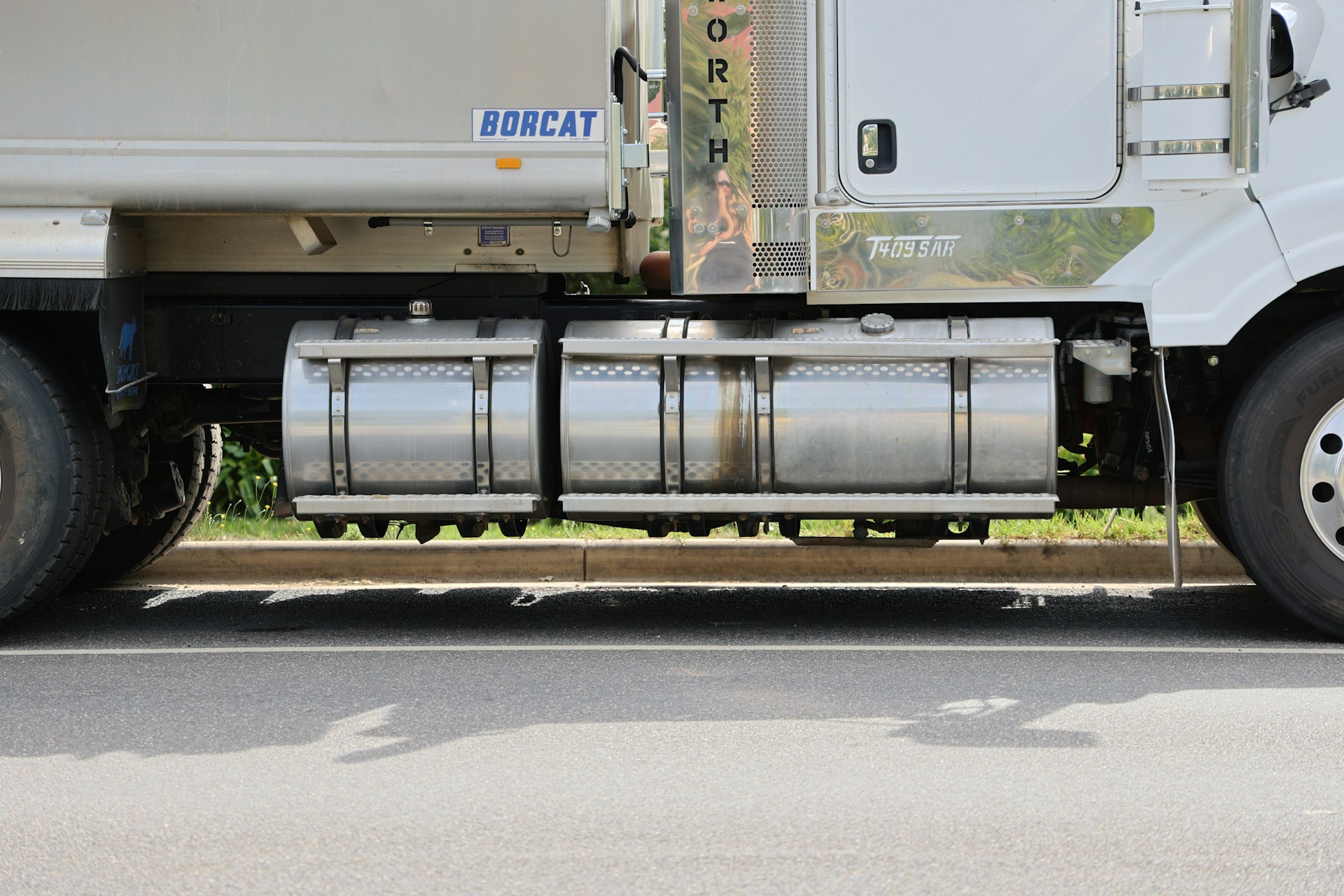
Fuel remains one of the largest operating costs within road transport, making energy market volatility impossible to ignore. While temporary fuel surcharges can help offset sudden price increases, they are only one part of the solution.
Improving route efficiency, reducing empty mileage, maximising vehicle utilisation and maintaining close communication with customers—which we are doing with AI—all help minimise the impact of rising transportation costs while maintaining reliable service. As recent events have shown, volatility can emerge with very little warning. Businesses that prepare for these fluctuations are generally better positioned than those forced to react after costs have already risen.
The most resilient supply chains are not those that avoid disruption entirely—they are the ones designed to continue operating effectively when disruption occurs.
Capacity Challenges Continue
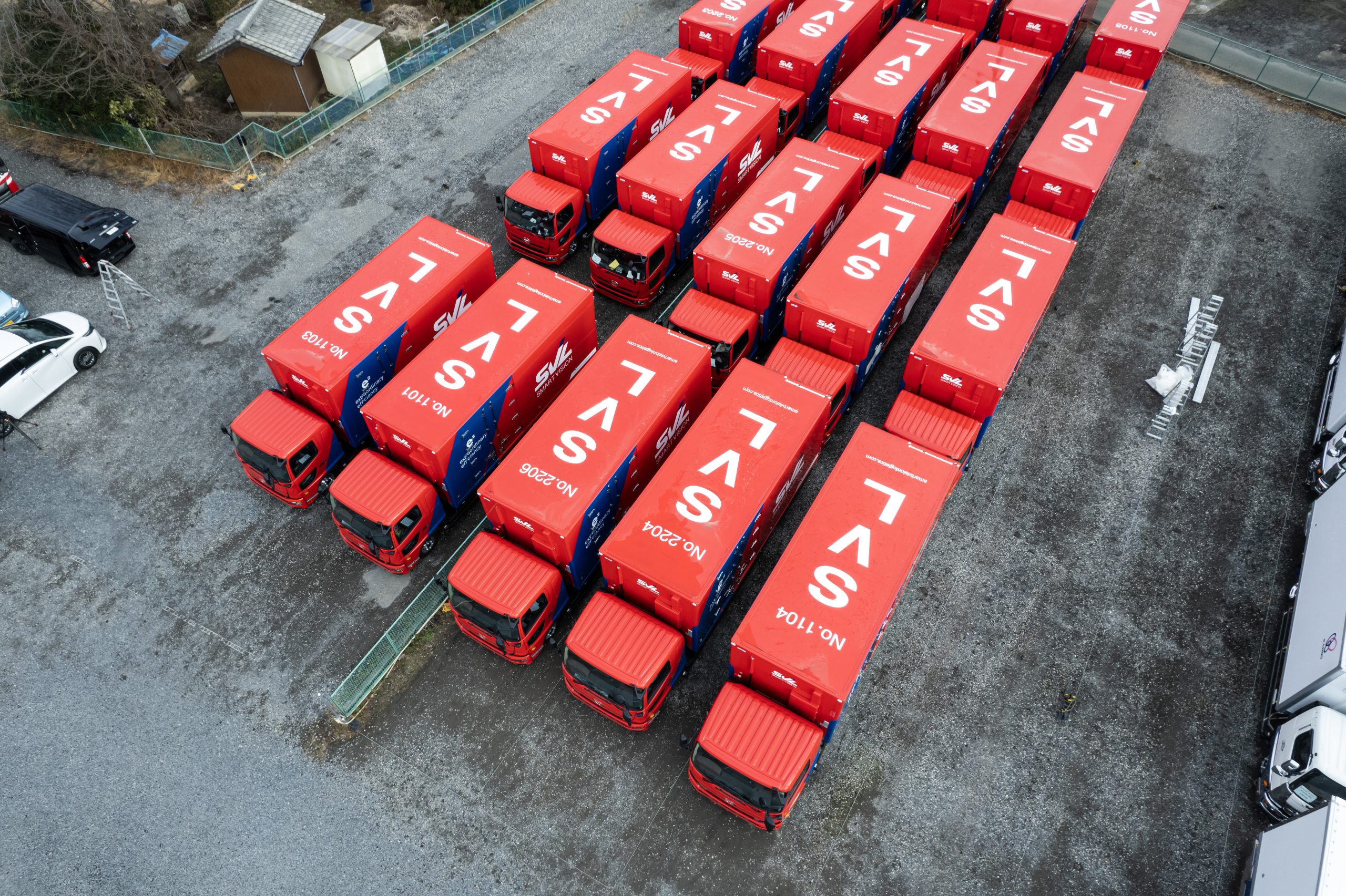
Alongside fuel costs, capacity remains one of the industry’s biggest long-term challenges.
Although vehicle production has improved since the supply chain disruptions of recent years, lead times for new commercial trucks can still extend well beyond 12 months depending on vehicle specifications. For logistics providers, fleet expansion is therefore no longer simply a purchasing decision—it directly affects future transport capacity and growth opportunities.
At the same time, Japan’s driver shortage continues to place pressure on the industry. The overtime regulations introduced under the 2024 Problem were an important step towards improving working conditions, but they have also reinforced the need for greater efficiency across transport operations. Attracting younger drivers, increasing opportunities for women in the industry and making better use of technology will all remain essential as Japan’s workforce continues to evolve.
These are not short-term challenges. They are structural changes that will continue shaping Japan’s logistics industry for years to come.
Building Resilient Supply Chains
At Smart Vision Logistics, resilience has never meant simply responding to change—it means planning for it.
Supply chain resilience is often associated with preparing for rare “black swan” events. In reality, resilience is built through everyday decisions: investing in people, planning fleet capacity, improving operational efficiency and maintaining strong relationships throughout the supply chain. When unexpected events do occur, these fundamentals make the difference between disruption and continuity.
Whether navigating fuel price volatility, vehicle availability, labour constraints or unexpected global events, our focus is on building supply chains that remain dependable under changing conditions. By combining long-term planning with operational flexibility, we help customers move beyond reacting to uncertainty and instead build logistics networks that are prepared for it.
No business can predict the next global event. What every business can do, however, is strengthen the resilience of its supply chain. As the logistics landscape continues to evolve, we believe the companies that succeed will not necessarily be those with the largest fleets or the lowest costs, but those that combine careful planning with the flexibility to adapt. In today’s world, supply chain resilience is no longer simply good risk management—it is a competitive advantage.
